
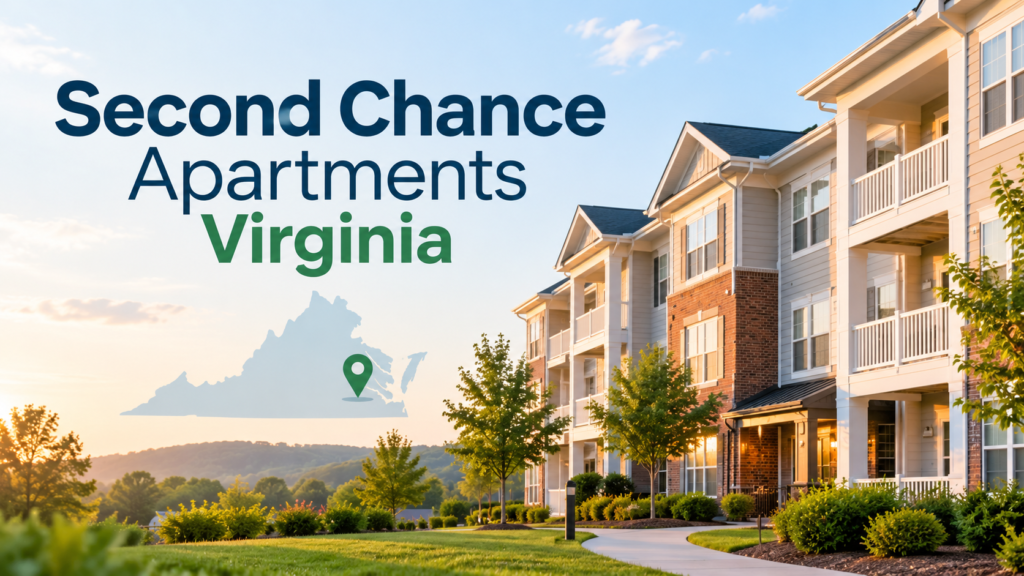
Second Chance Apartments Virginia
Second chance apartments in Virginia are homes that rent to people with a rough past. They say yes when other places say no. They look past an old eviction, bad credit, rental debt, or a record. The landlord still checks you. But the rules are softer. You show proof of income. You share your story. You get a fair shot at a lease. Many Virginia renters use these homes to start over. You can too.
Let’s Find Your New Home
Tell us a little about you, and we’ll match you with a home that says yes.
Want help finding one near you? Fill out the short form on this page. Tell us your city and what you need. We will match you with homes that give second chances. It is quick. It is free. And it is the first step to your new front door.
What a Second Chance Apartment Actually Means in Virginia
A second chance apartment is a normal home. It has a kitchen, a bath, and a door that locks. The only big change is the way the landlord picks tenants. Most places want a clean record and high credit. A second chance place does not. It gives weight to who you are now, not just your past.
These homes exist all over Virginia. You can find them in big cities and small towns. Some are single units. Some are whole apartment buildings. The owner chooses to be flexible. That choice opens a door for you.
How Flexible Screening Differs From Standard Rental Approval
Standard screening is strict. The landlord runs a credit check. They pull your rental history. One bad mark can end it fast. A low score or an old eviction can get you a quick no.
Flexible screening works in a kinder way. The landlord still checks you. But they look at the full picture. They ask why the problem happened. They look at your job and your income now. They may accept a bigger deposit. Think of it like this. A hard check sees a closed gate. A flexible check sees a person at that gate and asks to talk.
Who These Rentals Are Built For (Evictions, Low Credit, Felonies, Broken Leases)
These homes help people who get turned away a lot. You may be a good fit if any of these sound like you:
You had an eviction in the past. You broke a lease when life got hard. Your credit score is low. You owe money to an old landlord. You have a felony or misdemeanor on your record. You are a returning citizen coming home from jail. You are young and have no rental history yet.
If you see yourself here, do not lose hope. A second chance apartment was made for your situation. Many people in Virginia rent again after a hard time. Your past does not have to be the end of the story.
Why Virginia Renters Get Turned Down | and How Second Chance Housing Fixes It
Getting a no hurts. It feels unfair. But there is a reason behind most rejections. When you know the reason, you can fix it. Second chance housing is built to remove these walls.
The Background and Credit Checks That Block Most Applications
Most landlords run two checks. One is a credit check. The other is a background check. The credit check shows late bills and debt. The background check shows evictions and any record. If one check looks bad, the door shuts.
Second chance homes change the rules here. The landlord may skip the credit score. Or they may set a low bar. They may accept an eviction if it is old. They care more about today than about years ago. That small change fixes the block for many people.
Virginia Tenant Screening Rules Worth Knowing Before You Apply
Virginia has laws that protect renters. A landlord must tell you if they say no because of a report. This is called an adverse action notice. They must name the company that gave the report. You have the right to see that report for free. You can fix any wrong facts on it.
A landlord may charge an application fee. In Virginia, this fee has limits. Know your rights before you pay. If a fact on your report is wrong, dispute it. Fixing one error can turn a no into a yes.
Do You Qualify? Eligibility Factors Landlords Weigh
Every landlord is a little different. But most look at the same few things. When you know what they check, you can get ready. Here are the main points they weigh.
How Old Your Eviction or Credit Issue Needs to Be
Time is your friend here. A fresh eviction is the hardest to pass. An old one is much easier. Many second chance landlords want the eviction to be at least one or two years old. Some want the debt paid off first.
Here is a quick story. Maria lost her home three years ago. Her hours were cut and she fell behind. Since then she has paid rent on time at a friend’s place. A second chance landlord saw that record. He said yes. Her old eviction no longer scared him.
Income, Employment, and Rent-to-Income Benchmarks
Landlords want to know you can pay. So they check your income. A common rule is the 3x rent rule. It means you should earn about three times the rent each month. If rent is 1,000 dollars, you should make around 3,000 dollars.
A steady job helps a lot. So does a long time at one job. If your income is low, you can still qualify. You may need a cosigner. You may need proof of benefits or savings. Show the landlord that rent will get paid. That is what they want to see.
When a Criminal Record Still Gets Approved
A record does not always mean a no. Many landlords look at the type of charge. They look at how long ago it was. They look at what you have done since. A small, old charge is often fine.
It helps to be honest. Tell the landlord before they find it. Share how you have changed. Bring a letter from a boss or a case worker. Returning citizens in Virginia have programs that help with this. Your past matters less when you show real growth.
Where to Find Second Chance Apartments Across Virginia
Virginia is a big state. Second chance homes are spread out. Some areas have more than others. Here is where to look, region by region.
Richmond, Petersburg, and the Central Virginia Corridor
Central Virginia has many options. Richmond is the biggest hub. It has nonprofits that help returning citizens find homes. Petersburg nearby has smaller landlords who are often flexible. Look in both cities. Check private owners, not just large firms. Private owners can bend the rules more.
Hampton, Norfolk, and Virginia Beach (Hampton Roads)
The Hampton Roads area is full of rentals. Norfolk, Hampton, and Virginia Beach all have flexible homes. Many serve military families and workers. This area has a mix of low income units and second chance units. Ask each office about their screening rules.
Northern Virginia: Alexandria, Arlington, and Manassas
Northern Virginia is pricey. Rent is higher here. But second chance homes do exist. Look in Alexandria, Arlington, and Manassas. You may need a larger deposit to make up for high rent. A cosigner can help a lot in this region too.
Apartment Locators and Reentry Housing Programs Statewide
You do not have to search alone. Apartment locators know which landlords say yes. They match you for free in many cases. Reentry programs help people coming home from jail. Local housing groups help with deposits and advice. Using a guide saves you time and stress.
Smart Search Terms and Listing Red Flags to Avoid Scams
The way you search matters. The right words bring the right homes. But watch out. Some fake listings target people in need. Stay smart and stay safe.
Keywords That Surface Flexible Listings
Try these search words when you look online. Add your city to each one.
Use phrases like “second chance apartments Virginia,” “apartments that accept evictions,” “bad credit apartments near me,” and “no credit check apartments.” These words help you find flexible homes faster. But read each listing with care.
Warning Signs of a Fake “No Credit Check” Offer
A real landlord will not rush you. A scam will. Here are red flags to watch for.
Be careful if they ask for money before you see the home. Be careful if the rent is far too cheap. Be careful if they will not meet you in person. Be careful if they ask for gift cards or wire transfers. Never send money to hold a home you have not toured. If it feels wrong, walk away. A true second chance is safe and clear.
How to Strengthen Your Application Before You Apply
You can boost your odds before you even apply. A strong file makes a landlord feel safe. Get these things ready first.
Documents That Prove You’re a Reliable Tenant
Bring proof that you pay and stay. Have these ready in a folder.
Gather your pay stubs or a job letter. Bring bank statements. Bring your photo ID. Bring old rent receipts if you have them. Bring phone numbers for past landlords and your boss. Having your proof of income and references ready shows you are serious. It makes the whole process smooth.
Writing an Honest Explanation Letter for Past Issues
An explanation letter is a short, honest note. You write it to the landlord. You tell them what went wrong and what changed. Keep it simple and calm.
Say what happened in one or two lines. Do not make excuses. Then say what you did to fix it. Maybe you got a steady job. Maybe you paid off the old debt. End with your goal to be a good tenant. A kind, honest letter can tip the choice in your favor.
Using a Cosigner, Larger Deposit, or References to Tip the Odds
Sometimes you need a little extra. A cosigner is a person who promises to pay if you cannot. A parent or friend with good credit can do this. It gives the landlord peace of mind.
A larger deposit also helps. More money up front lowers the landlord’s risk. Strong references matter too. A good word from a past landlord or boss carries real weight. Use these tools when your record is weak.
What to Expect After Move-In: Costs, Leases, and Rebuilding
Getting the keys is a big win. But the work is not done. Know the costs and the terms. Then use this home to build a better future.
Typical Deposits, Fees, and Lease Terms
Second chance homes may cost a bit more up front. This is how the landlord lowers risk. Here is a simple look at what you might pay.
| Cost | What It Usually Is | Helpful Tip |
| Security Deposit | One to two months of rent | Offer more to lower risk |
| Application Fee | A small one-time cost | Ask what it covers |
| First Month Rent | Paid before move-in | Save this early |
| Lease Length | Often 6 to 12 months | A short lease can prove you |
Read your lease before you sign. Ask about late fees and rules. Make sure you understand every line. A clear start keeps you safe later.
Turning a Second Chance Rental Into Stronger Future Credit
This home is more than a roof. It is a tool to rebuild. Pay your rent on time every month. Ask if your rent can be reported to credit bureaus. On-time rent can lift your score over time.
Keep the place clean. Follow the lease. Be a good neighbor. After a year, you will have a fresh, clean record. That record opens better doors next time. Each month of good renting is a brick in your new path.
Myths About Second Chance Apartments, Cleared Up
Myth one: these homes are run down. Not true. Many are clean, safe, and nice. The flexible part is the screening, not the home.
Myth two: they cost a fortune. Also not true. You may pay a higher deposit. But rent is often normal for the area.
Myth three: no landlord will ever help you. False. Many landlords want to help. They know people make mistakes. They want reliable tenants, and second chance renters often become the most loyal ones.
Frequently Asked Questions
Can I get approved in Virginia with a recent eviction?
Yes, it is possible. A recent eviction is harder but not a dead end. Some landlords accept it if you have steady income. A cosigner or larger deposit helps a lot. An honest letter about what happened can turn a no into a yes.
How much does my credit score really matter?
It matters less at second chance homes. Many skip the credit score or set a low bar. They care more about your income and your recent record. Still, a higher score always helps. Pay down small debts when you can.
Are second chance apartments safe and well-maintained?
Yes, most are safe and cared for. The home itself is normal. Only the screening is flexible. Always tour a place before you sign. Check that it is clean and in good shape.
Can I rent with a felony or misdemeanor on my record?
Often, yes. Many landlords look at the type and age of the charge. A small, old charge is usually fine. Be honest up front. Returning citizen programs in Virginia can help you find the right home.
How long does an eviction stay on my record in Virginia?
An eviction can show on your record for several years. Court records in Virginia may be removed after a set time in some cases. Credit-related marks can last up to seven years. The older it gets, the less it hurts your search.
Do these apartments have income limits?
Some do and some do not. Second chance homes usually want you to earn enough to pay rent. That is a floor, not a ceiling. Low income units are different and may have a limit. Always ask each landlord about their rule.
Will a cosigner improve my chances of approval?
Yes, a cosigner can help a lot. This person agrees to pay if you fall behind. A cosigner with good credit lowers the landlord’s risk. It can be the thing that gets you the keys.
A Fresh Start Is Closer Than You Think
Your past does not define your future. A hard year, an old eviction, or a low score is not the end. People in Virginia rent again every day after tough times. With the right steps, you can too.
Take it one small move at a time. Gather your papers. Write your honest letter. Search with the right words. And let us help you find the door that opens. Fill out the form on this page to begin. Your fresh start is waiting, and you have every right to claim it.